14 day tour
Fully booked.
This tour is now fully booked.
Subscribe to our newsletter to hear about upcoming tours.
This selective tour focuses on elements that define India’s garden journey – its historical context, ecology, architecture, use and access to natural materials and highly skilled craftsmanship.
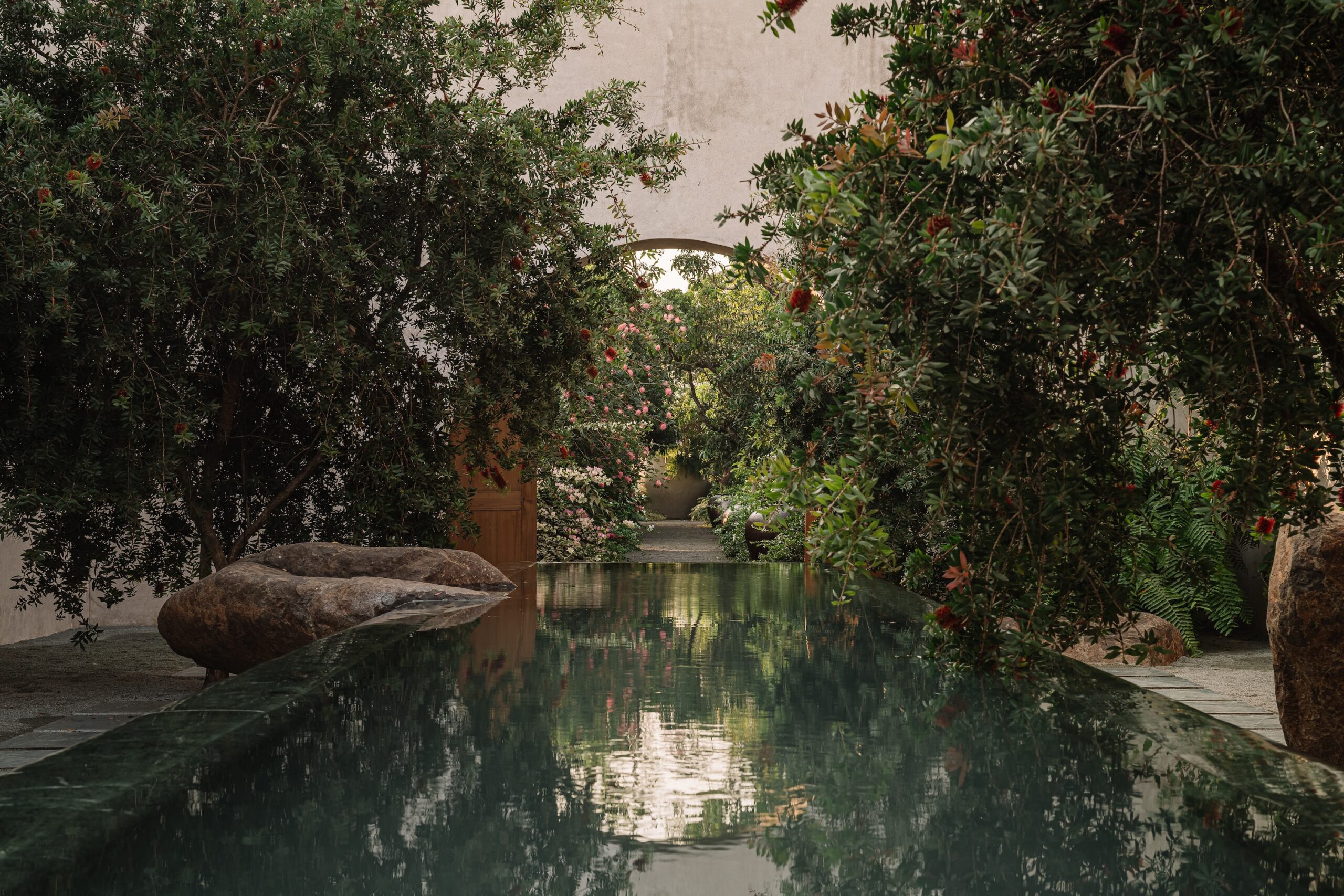
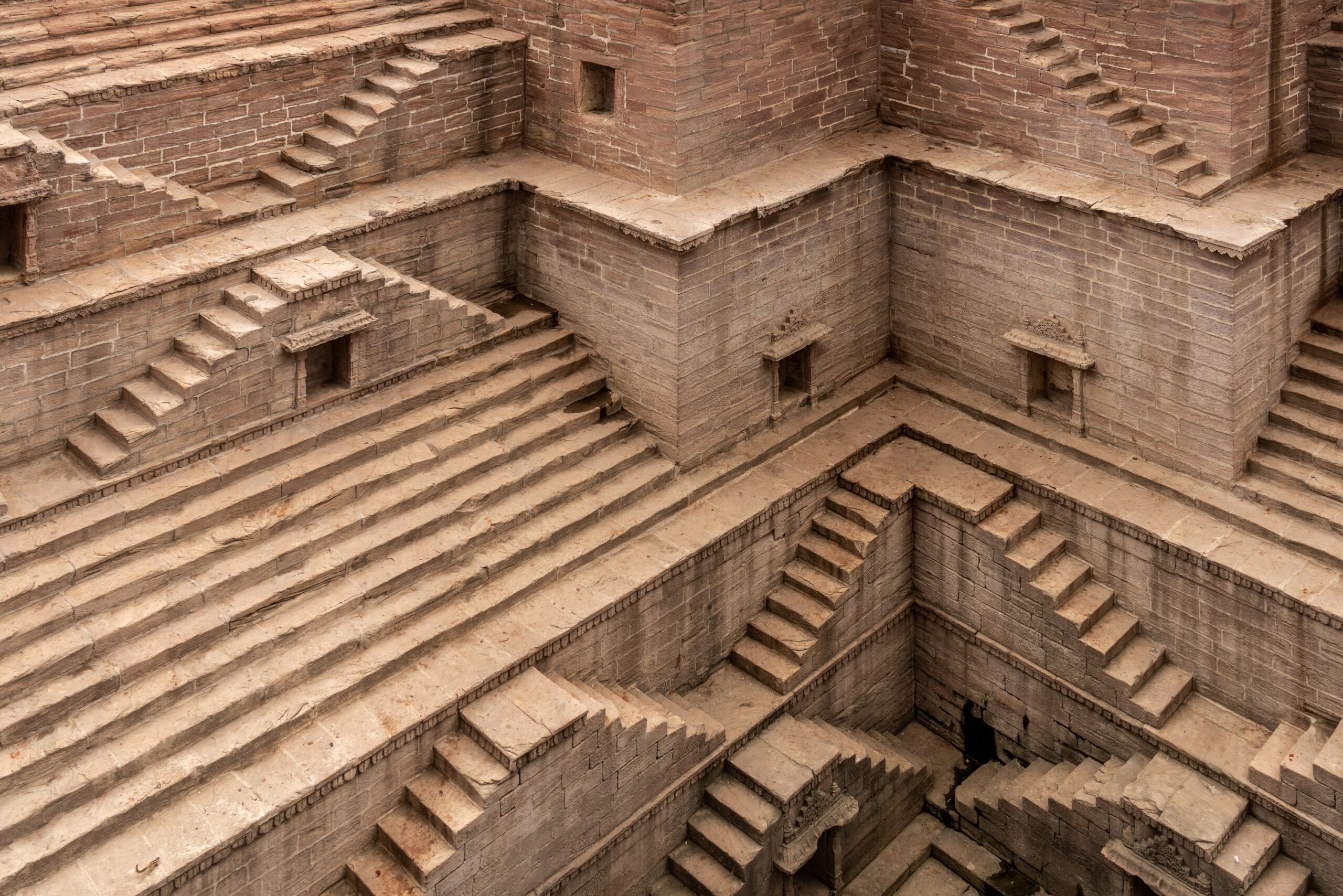
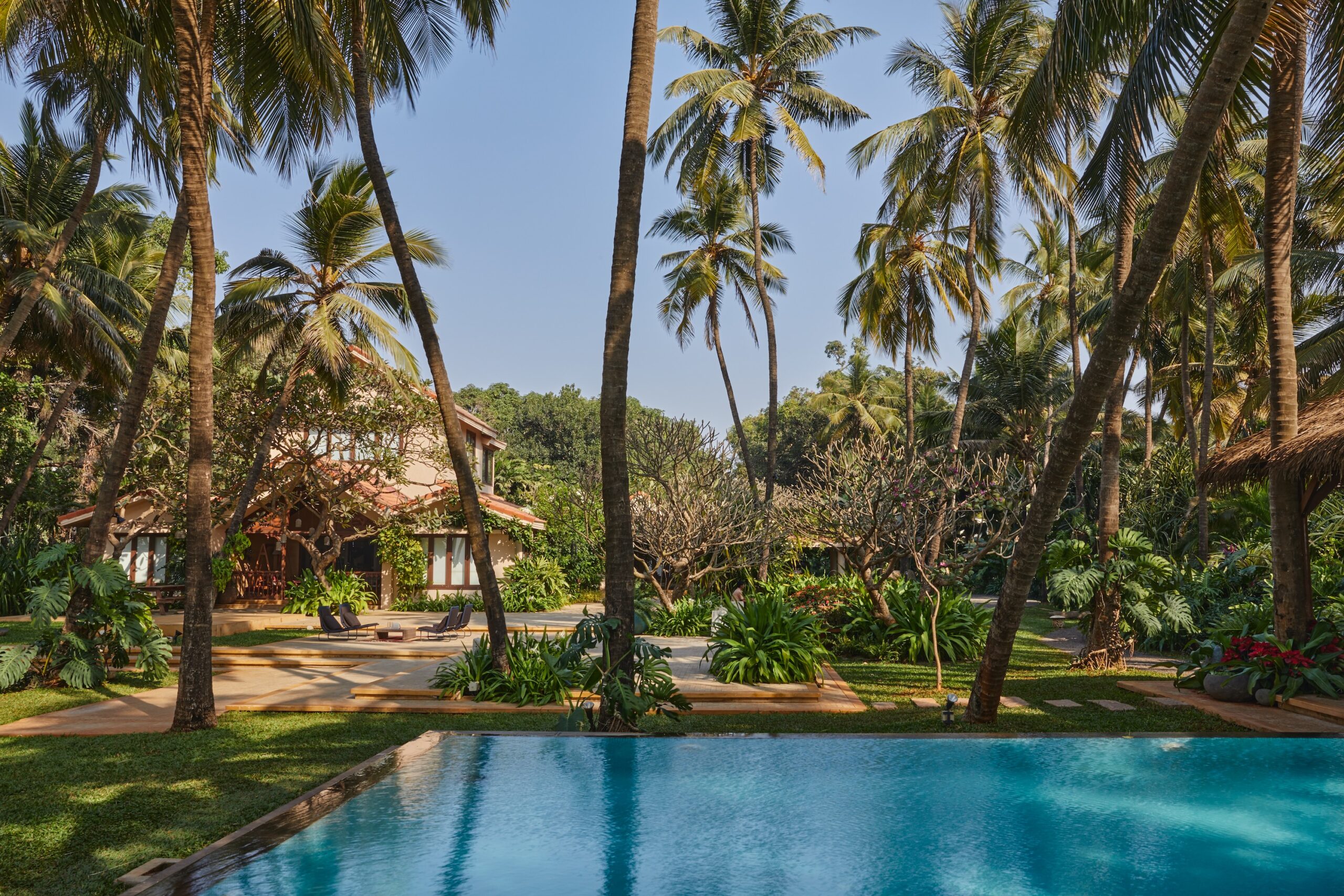
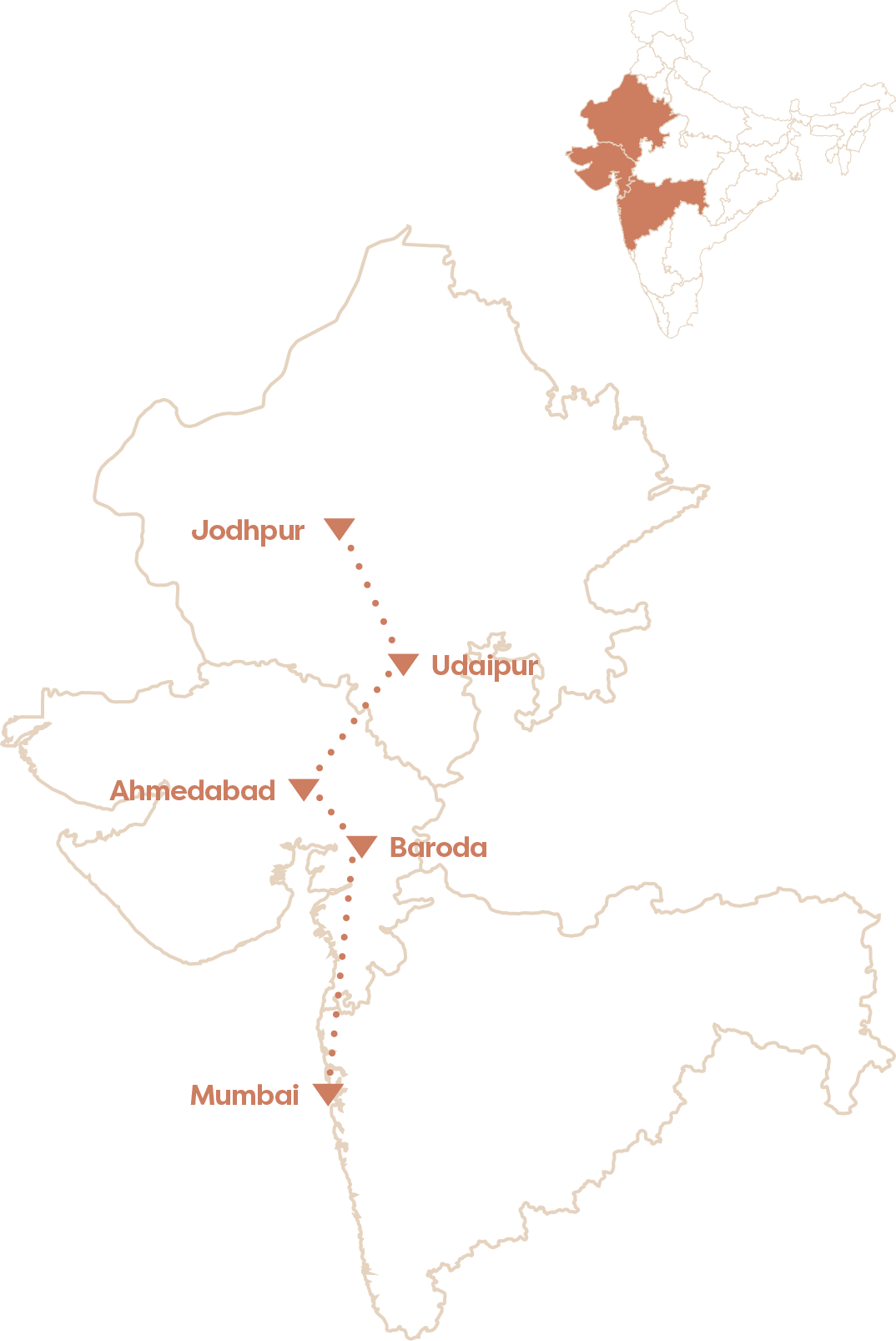
Covering six locations including Delhi, Jodhpur, Udaipur, Ahmedabad, Alibaug and finishing in Mumbai you will be part of a small, engaged group, staying at bespoke hotels and will be accompanied by an English speaking guide.
Much has happened to shape and reshape the gardens of India since the Taj Mahal was built approximately 400 years ago, and this tour provides a unique opportunity to meet with contemporary architects, landscape architects, ecologists, authors, film makers and artists during visits to private gardens and public spaces (many of which are privately funded).
These visits will be combined with ample time to relax whilst soaking in the breathtaking locations, doing guided walks and having opportunities to visit some of the finest shops and enjoying the freshest food of the regions.
“I felt we had a very rare opportunity both to observe what is very special in terms of other people’s work, but also, to travel as a group and share this experience. You gathered like-minded individuals and arranged access to gardens from the sublime to the 99% breath taking”
Kate Seddon, Director, KSLD, participant of California 2024 tour
Details
Inclusions
The tour cost covers:
- Visits to all private and public. gardens and places of interest as part of the tour.
- Accommodation (13 nights) at bespoke hotels and renovated places including the RAAS in Jodphur and Udaipur.
- Transport to all gardens and between locations including an internal flight from Baroda to Mumbai.
- Meals as detailed in itinerary (13 Breakfasts + 1 Lunch + 5 Dinners).
- Transport in chauffeur driven air-conditioned transport.
- All Gratuities.
- VIP meet and greet upon arrival at Delhi International airport.
- Service of accompanying English-speaking guide throughout the trip.
- Monument entrances as per itinerary.
- All currently applicable taxes.
- Flight ticket for the following sectors:Delhi-Jodhpur, Vadodara-Mumbai in Economy class with 25 kgs luggage allowance
Not included
The following are not covered by the tour cost:
- International air fare, visa fees, airport tax or any kind of insurance cover
- Transfers from your home to the international airport and Delhi airport to the nominated hotel in Delhi and outside the scheduled transfer to the airport in Delhi (e.g. if you want to arrive at an alternative time)
- Personal insurance
- Visa costs
- Personal drinks other than those provided at set meals
- Items of personal nature like drinks, laundry, telephone calls, camera fees etc.
- Any other meals than those mentioned in the itinerary
- Car at disposal or any sightseeing on leisure days unless specified above
- Early checking or a late checkout room (s) at any hotel (s) unless specified above
- Liability for change in itinerary due to reasons beyond our control like change in flight and train schedule; cancellation of flights/trains, political disturbances, natural phenomenon
- Any other item not specifically mentioned in itinerary as 'INCLUDED'
General Conditions
- All flight/train timings are based on the current schedule and are strictly subject to change.
- All prices are subject to any revision of tax and tariff structure.
- Please note that foreign tourists/visitors to India require a visa in advance/prior to arrival in the country. Kindly contact your local Visa office for more details and application.
- Free weight allowance on all domestic flights that are part of the tour in Economy Class is 25 kg per person and hand luggage is 7 kg per person.
Mandatory requirements
- To be able to walk at least 5 km unaided including on uneven surfaces.
- The ability to manage your own luggage.
- A valid passport.
- A Visa for India.
- Comprehensive travel insurance that covers all eventualities including cancellation or curtailment due to travel restrictions.
- All twin share and double accommodation bookings are to be arranged by the individual at the time of booking. Outlandish will not arrange sharing room options.
Cancellation terms
- No refunds after 1 June, 2026.
-
Non-refundable deposit of $3,000 on registration.
A refund of 50% of the amount paid minus $3000 non-refundable deposit by 30 April, 2026.
Pricing
- Single: $21,500 AUD per person.
- Twin share/Double: $18,900 AUD per person (All twin-share/double arrangements must be organised by the two people sharing).
-
Non-refundable deposit of $3,000 on registration.
A refund of 50% of the amount paid minus $3000 non-refundable deposit by 30 April, 2026.
India – locations
Itinerary
Sunday, 18th October 2026Arrive Delhi
You will be assisted for check in at your hotel. (Standard check in time is 1400 hours).
Welcome drink and canapés at The Imperial Hotel.
Monday, 19th October 2026Delhi
Our first day orientates you to some of the historical parts of India including the Moghul, Lutyens Deli followed by visit to Good Earth or Ogaan in Khan market.
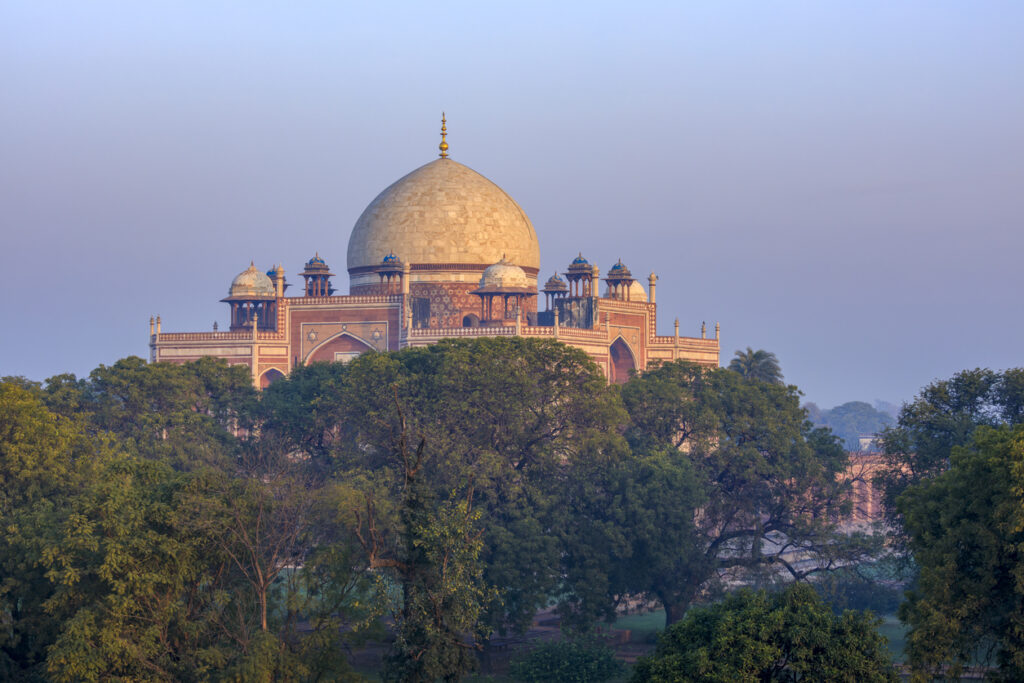
We visit Humanyun’s Tomb which was built in the 16th century and architecturally considered the fore runner of the Taj Mahal. Followed by visit to Sunder Nursery. Walking through Sunder Nursery feels like stepping into a living museum, where lush landscapes surround 15 historic monuments, including Mughal tombs and pavilions—six of them part of the UNESCO World Heritage complex adjoining Humayun’s Tomb. Inspired by traditional Mughal Garden design, the park features sweeping central vistas, lotus-shaped marble fountains, geometric planting beds, raised sandstone pathways, and tranquil water bodies that together create a seamless blend of history and nature.
You will continue to Nisaba Restaurant at 7 PM for dinner Alcoholic beverages on direct payment.
- Overnight: The Imperial
- Meal: Breakfast and Dinner
Tuesday, 20th October 2026Delhi-Jodhpur
This morning you will be transferred to the airport for your flight to Jodhpur.
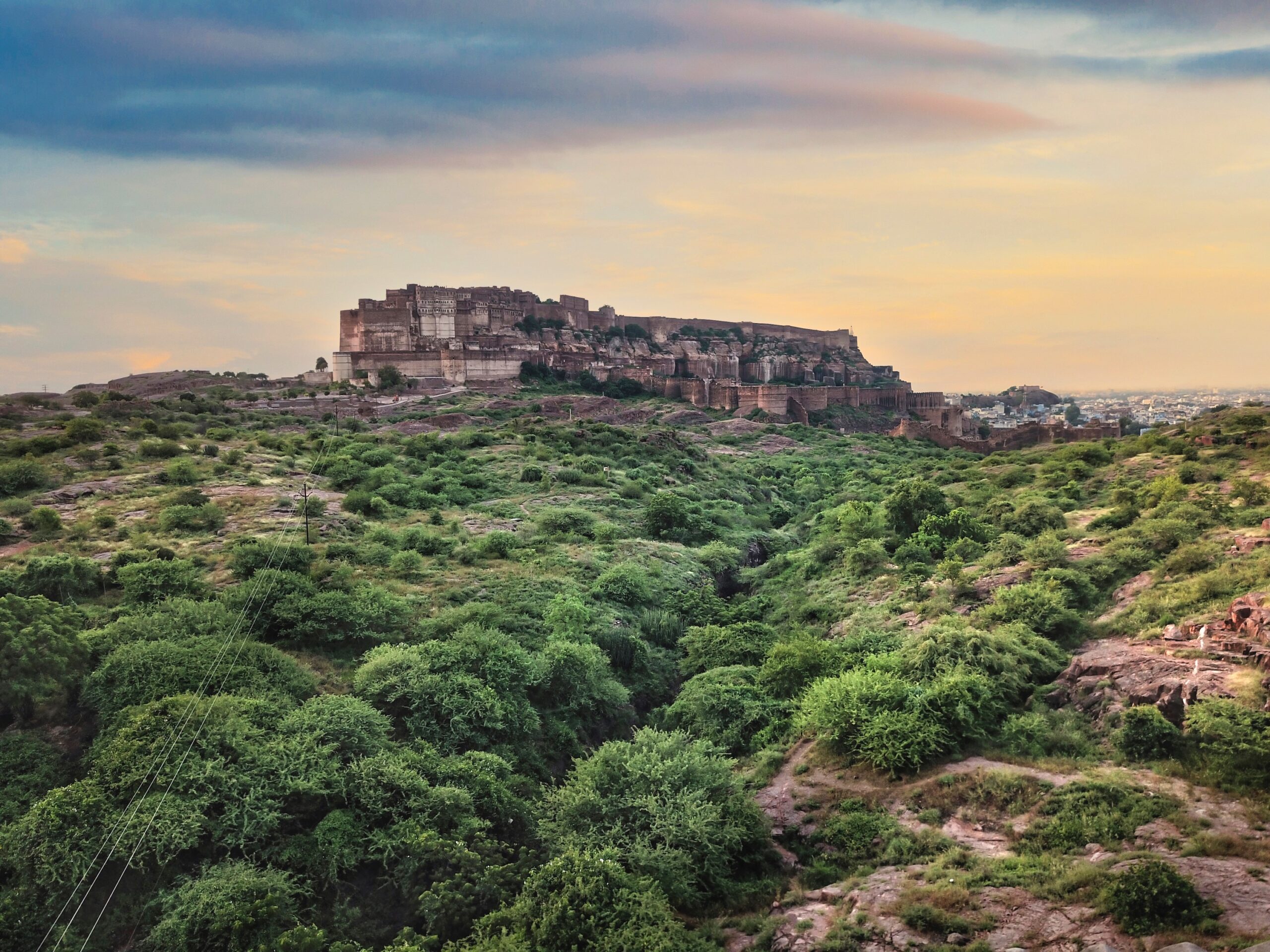
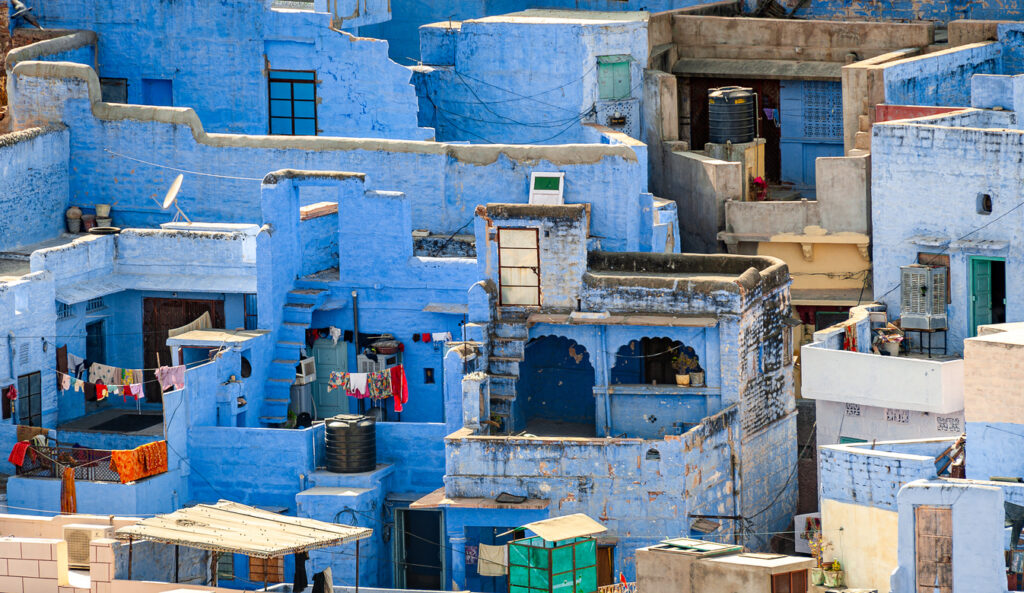
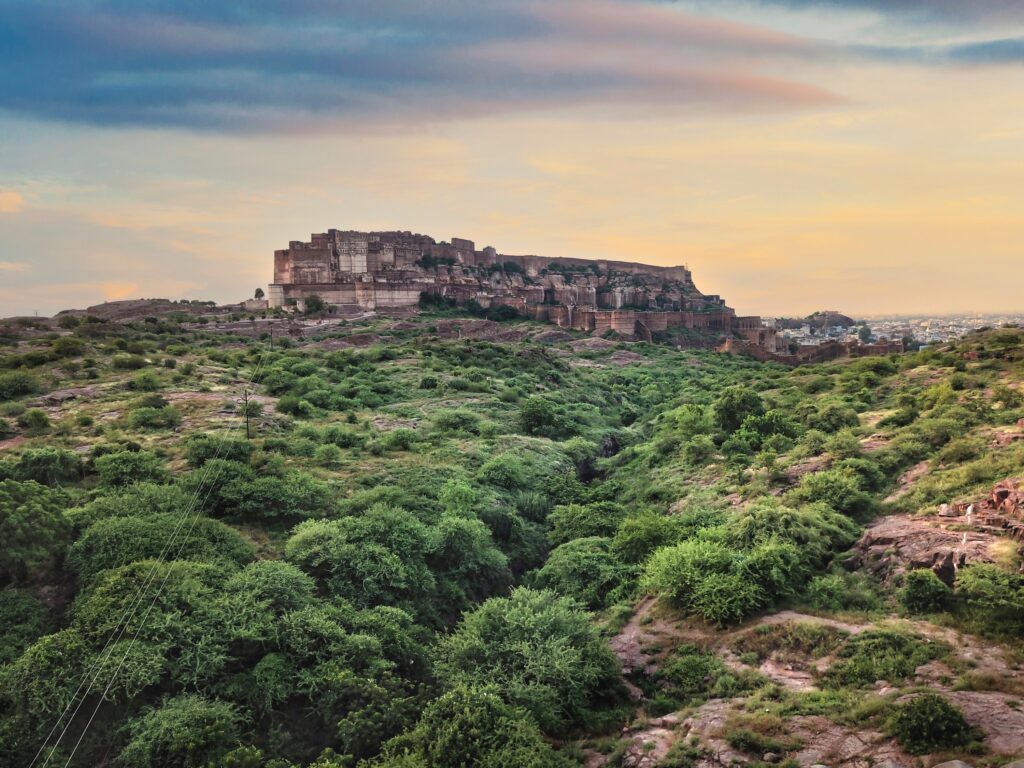
A stunning expanse of blue graces the eastern edge of the Thar Desert, where Jodhpur rises beneath the towering fortress that overlooks the city from a sandstone ridge. Strategically positioned along an important trade route, Jodhpur is also home to the Umaid Bhawan Palace, one of India’s largest and most recently built residential palaces.
This evening introductory market walk (Optional) and drinks at Stepwell café.
Tonight, you will dine at the Baradari restaurant. Alcoholic beverages on direct payment.
- Overnight: RAAS Jodhpur
- Meal: Breakfast and Dinner
Wednesday, 21st October 2026Jodhpur
Today we will be joined by well-known ecologist and filmmaker Pradip Krishen, designer of the Roa Jodha Desert Park.
Together we will embark on a sunrise walk through the Rock Park and newly opened Mehrangarh Fort Visitor Centre, designed by Studio Lotus, one of India’s most acclaimed architectural firms.
Every step takes you back thousands of years in time as the golden light spills over ancient volcanic rocks formed by lava eruptions 75,000 years ago. This immersive experience blends nature and history—spot native birds, learn about the resilient desert vegetation, and discover why this unique park was created to restore the natural ecology around Mehrangarh Fort. From the hilltops, we take in panoramic, 360-degree views of the Jodhpur City below, with breath taking sights of Jaswant Thada and the majestic fort rising from the rocks. This walk is not just a trek—it’s a journey through deep time, desert beauty, and living heritage.
We continue our walk to Mehrangarh Fort. Of all the many forts in Rajasthan, very few are compared to majesty of the Mehrangarh Fort. Built on a high rocky cliff, the views from the fort stretch all across the plains as far as the Mewari fort at Kumbalgarh. Almost impregnable, the fort is entered through seven fortified gateways. Within the fort is the museum which among its varied exhibits has an excellent collection of royal palanquins and the howdah section has perhaps the finest collection of old ornate elephant howdahs in the world. Walking down from the fort you stop at Jaswant Thada, the graceful marble cenotaph of Maharaja Jaswant Singh II (1873-95) and other Maharajas of Jodhpur who died after that year.
Jodhpur is also known as the Blue City due to the light blue shade that is common for the majority of the houses found in the Brahampuri area of the Walled City. Tucked away from the popular Clock Tower Bazaar, the Blue City is an unexplored treasure trove of exquisitely carved Havelis and unknown Bazaars. This area of the city was primarily inhabited by Brahmins or the highest castes of Hinduism who chose to add a bit of Indigo while colouring their houses. It is believed that this was to provide a cooling relief from the scorching heat of summers as light colours reflect heat and also to break the monotony of the plain white lime-based whitewash. It could also be a symbol of human resilience towards the stark sandy colours of Thar Desert around Jodhpur, but the Indigo Hued Blue City has a unique identity all its own. We commence the Blue City Heritage Walk after completing the site seeing of the Mehrangarh Fort and exit the Fort through the back side gateway called Fateh Pol built by Maharaja Ajit Singh ji in 1707 to commemorate the victory over the mighty Mughals. Stepping out of the Fateh Pol is like stepping back into another era and into an old world where time slows down and life crawls at a leisurely pace.
Our walk will lead us back to the RAAS Hotel where you will arrive in time for lunch at 360 Rooftop Café (belonging to RAAS) with its lovely views on direct payment.
Afternoon and evening under own arrangements.
Tonight, you will dine at the Darikhana restaurant. Alcoholic beverages on direct payment.
- Overnight: RAAS Jodhpur
- Meal: Breakfast and Dinner
Thursday, 22nd October 2026Jodhpur-Udaipur
After breakfast you be driven for 5.5-6 hours to Udaipur – stopping enroute to visit the Jain Temples at Ranakpur. Upon arrival you will be assisted with check-in.
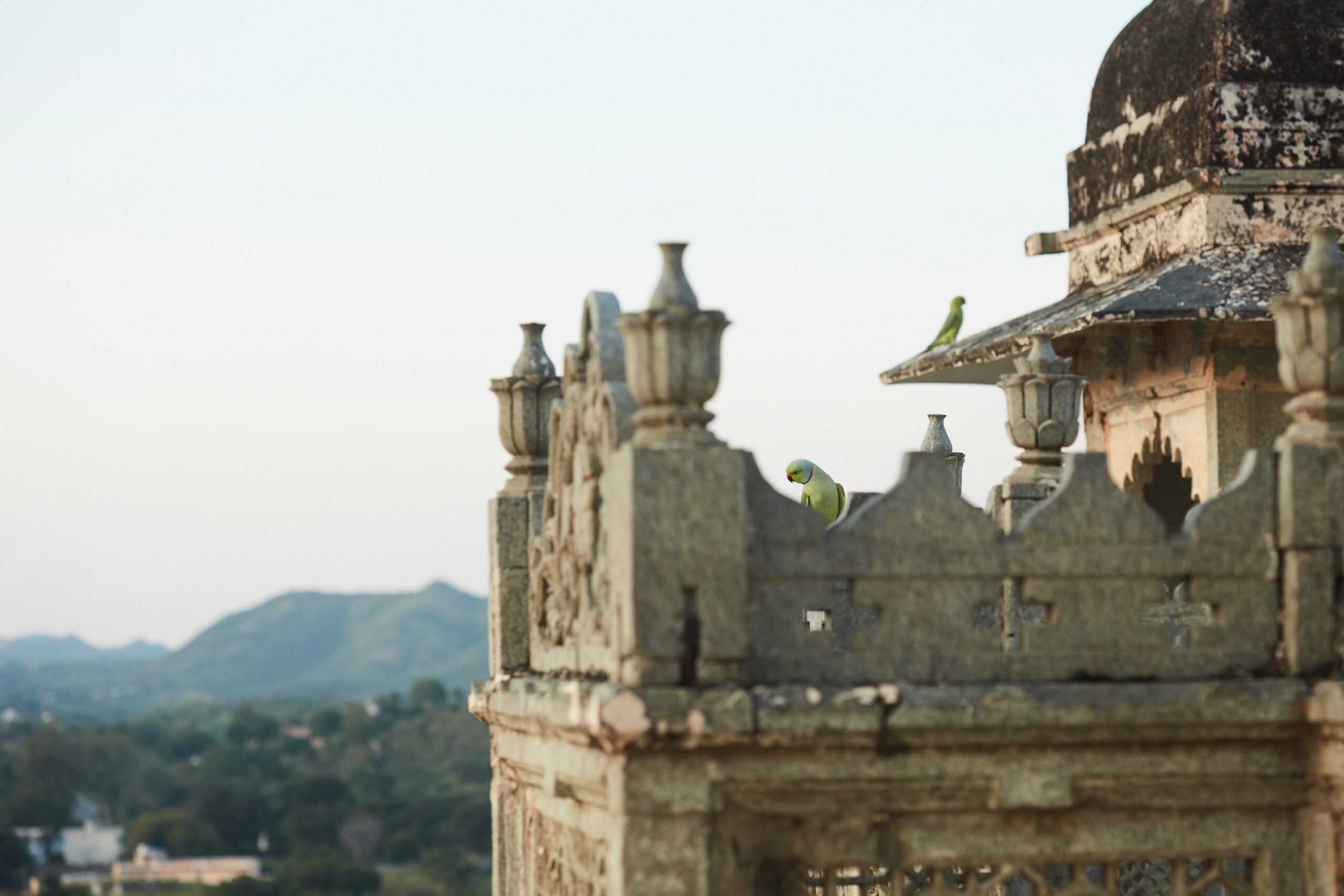
The Ranakpur Temple is known for its intricate marble carvings, some of which feature motifs inspired by the Kama Sutra. It is among the finest examples of Jain art, and the carvings inside them are exquisite. These temples were created in the 15th century A.D. during the reign of Rana Kumbha and are enclosed within a walled compound. Sprawling over 48,000 Sq., the temple is an astounding creation with 29 halls and 1,444 pillars-all distinctly carved. Rising in three stores, the central Caumukha Temple has four small shrines with 80 spires supported by 420 columns.
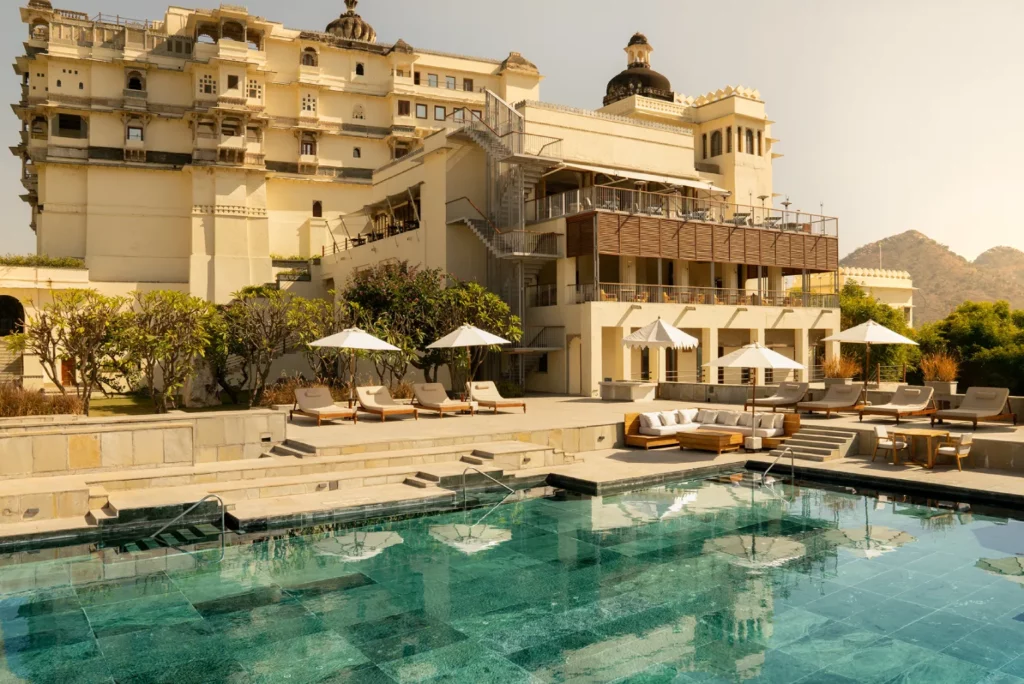
Your heart may step a beat when walking into the RAAS Devigarh where we will enjoy lunch at the restaurant.
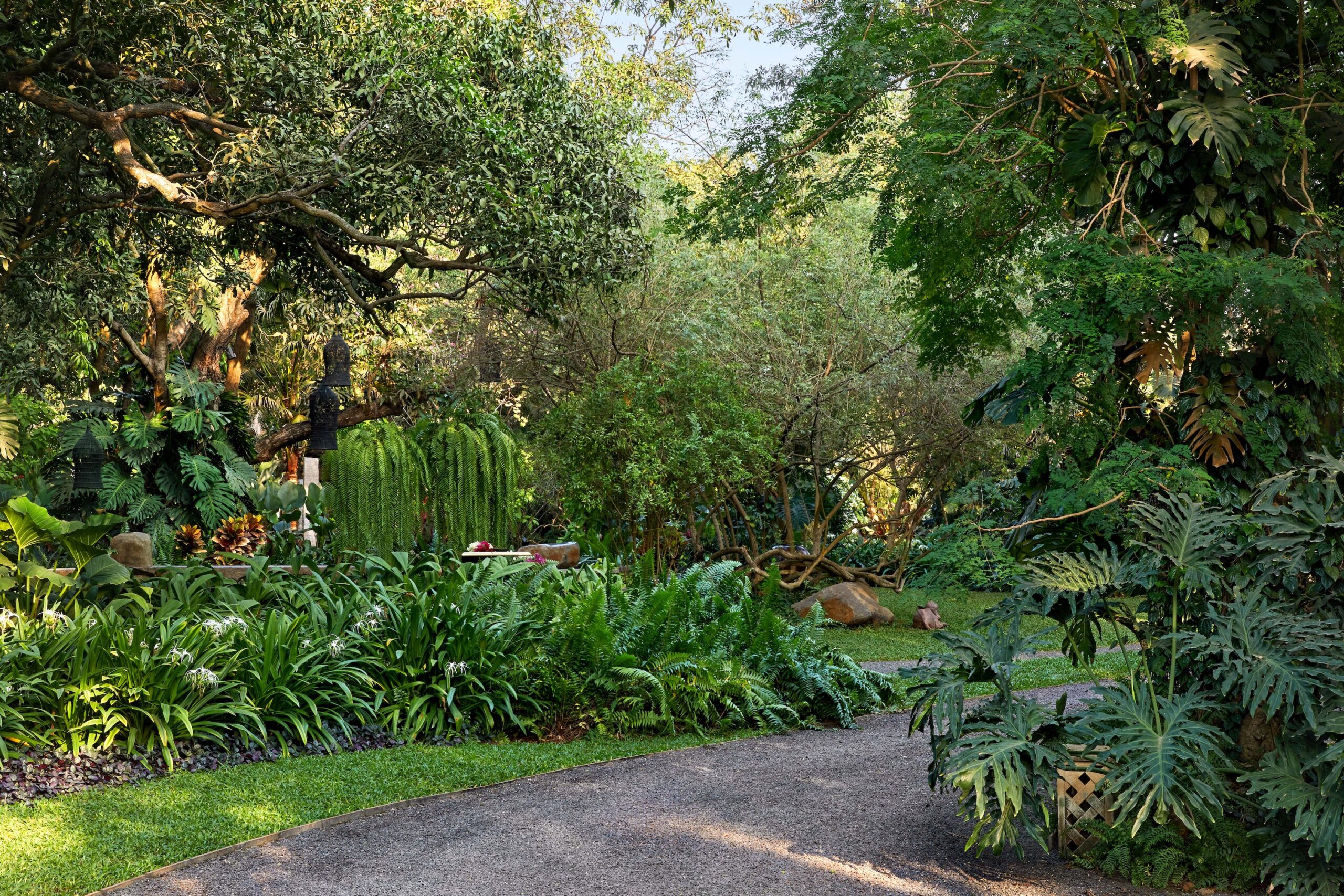
Following lunch and checking in the afternoon will be filled with a tour of the incredible vegetable garden with the head Gardener at the hotel.
Tonight, the evening will be relaxed where we meet for drinks on the bar terrace followed by dinner at the restaurant terrace on direct payment.
- Overnight: Raas Devigarh Palace
- Meal: Breakfast and Lunch
Friday, 23rd October 2026Udaipur
After an early breakfast depart for the drive (50 mins) to Udaipur.
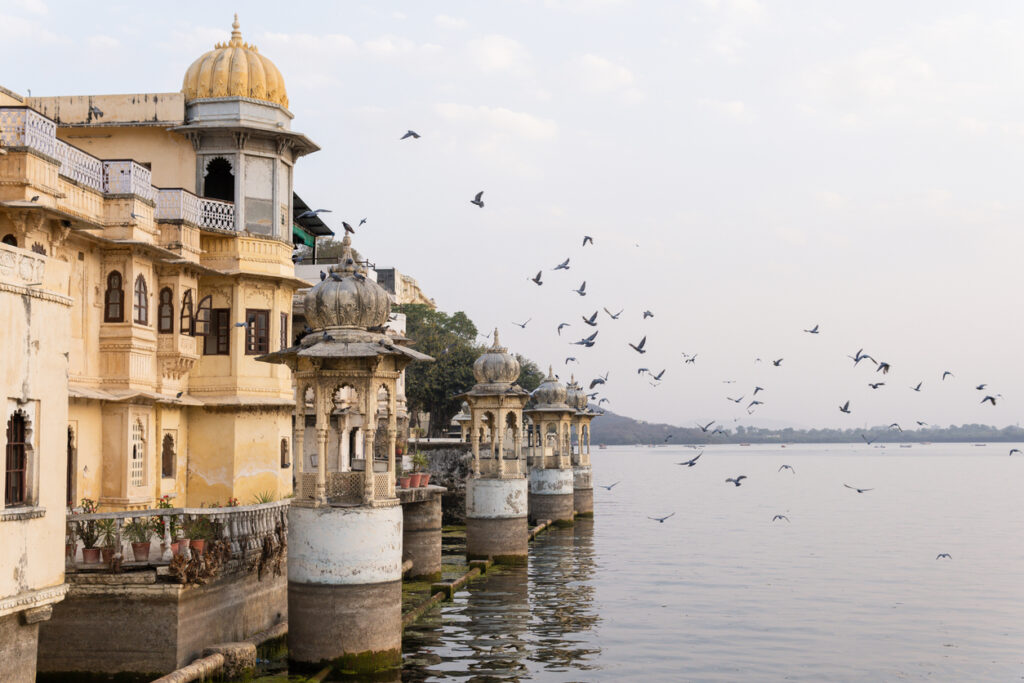
Udaipur is one of the most beautiful of the Indian cities and you may reminisce about the James Bond movie that was filmed there.
We start with a tour of the sprawling City Palace which was built over three centuries and is a series of four interconnecting palaces, illustrative of various architectural styles. In the main it is a blend of Rajput military architecture and lavish Mughal inspired decorative art on the inside. In terms of an exemplary eye to detail and craftsmanship, few palaces match the artwork in this palace. Also of particular note here is the exquisite collection of priceless Rajput Miniature paintings done in the Mewari tradition.
Afterwards we walk in the old city with our guide. Sharing space with cows, elephants, people, and the walk through the winding lanes is an interesting insight into lifestyles in what is referred to as “small town India”. Shops selling a variety of items, unexpected folk art decorating the walls of houses and small architectural gems like a latticed work Haveli window.
We ride in rickshaws through the back streets and visit the excellent vegetable market and stop at a spice shop for a lesson in selecting and buying your own spices.
For those interested in trying the local food flavours, we stop for a famous Udaipur Kachoori (a flaky pastry spicy version of a samosa) and/or enjoy lunch at Ambrai Restaurant on the banks of the picturesque Lake Pichola which shapes the landscape.
After lunch there are many options. For some this may be enjoying a walk around the lake, cruising in a small boat on the Lake, visiting Rivaynt, a shop selling some of the finest pashmina and wool garments or visiting a miniature art dealer. For others, it may be returning to the RAAS.
This evening, we will gather again for dinner.
- Overnight: Raas Devigarh Palace
- Meal: Breakfast and Dinner
Saturday, 24th October 2026Udaipur
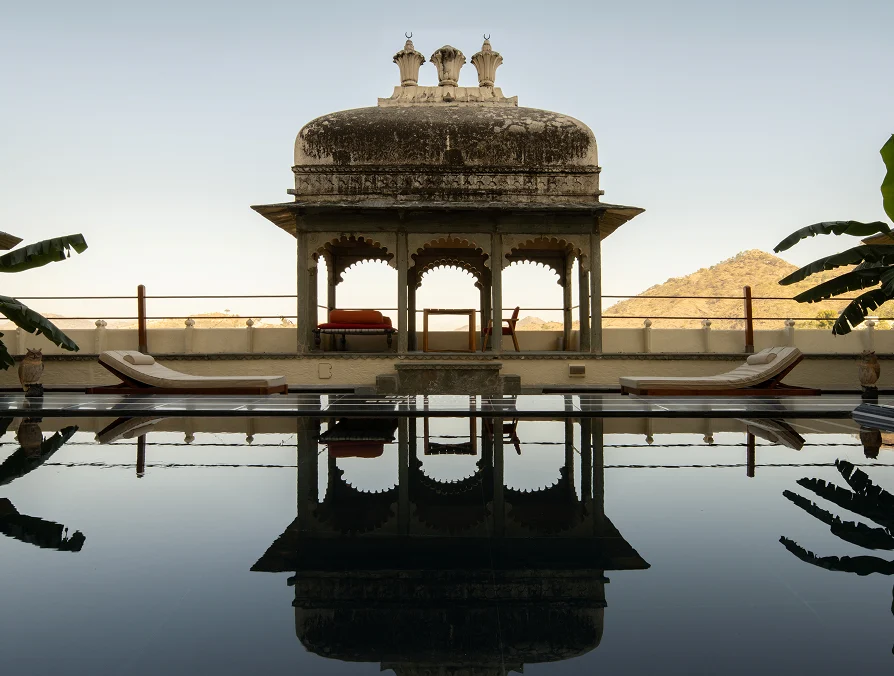
This full day at leisure or flop and drop where you can soak in the beauty and enjoy the hotel facilities.
Tonight, private venue dinner at the RAAS. Alcoholic beverages on direct payment.
- Overnight: Raas Devigarh Palace
- Meal: Breakfast and Dinner
Sunday, 25th October 2026Udaipur-Ahmedabad
This morning after breakfast we will drive to Ahmedabad. The drive will take approx. 5 hours with stops along the way.
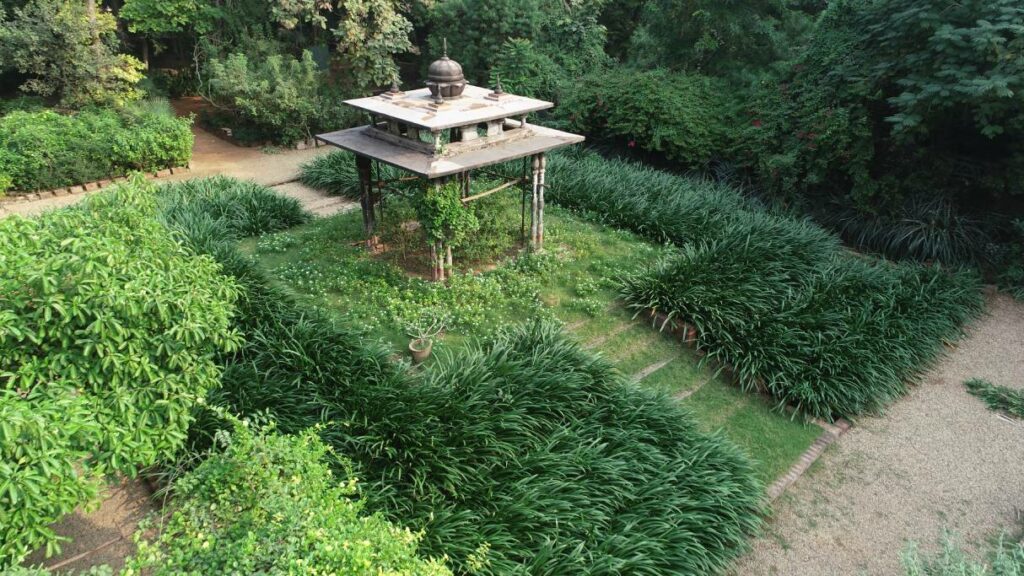
Ahmedabad, in western India, is the largest city in the state of Gujarat. The Sabarmati River runs through its center. On the western bank is the Gandhi Ashram at Sabarmati, which displays the spiritual leader’s living quarters and artifacts. Across the river, the Calico Museum of Textiles, once a cloth merchant’s mansion, has a significant collection of antique and modern fabrics.
The Calico Museum of Textiles, under the aegis of the Sarabhai Foundation, is India’s premier textile museum. Its collection of Indian textiles is considered by many to be the finest and most comprehensive in the world. The textiles, along with the Sarabhai Foundation’s outstanding collection of South Indian bronzes, Vaishnava picchavais, Jain art, and miniature paintings, are housed in The Retreat which is located in the Shahibaug area of Ahmedabad.
- Overnight: House of MG
- Room: Modern Heritage Grand
- Meal: Breakfast
Monday, 26th October 2026Ahmedabad
The heritage walks are the best way to explore, understand and experience the old city and its culture.. The route of the heritage walk covers around 25 points of interest. The walk starts from temple and ends at mosque, so the route is also called “Mandir to Masjid” route. Old wooden houses, local haveli house architecture, neighborhood planning, local crowded markets, different religious places and there are special types of flooring, lamp posts and signboards explaining the location along the most route are some of the highlights of the walk.
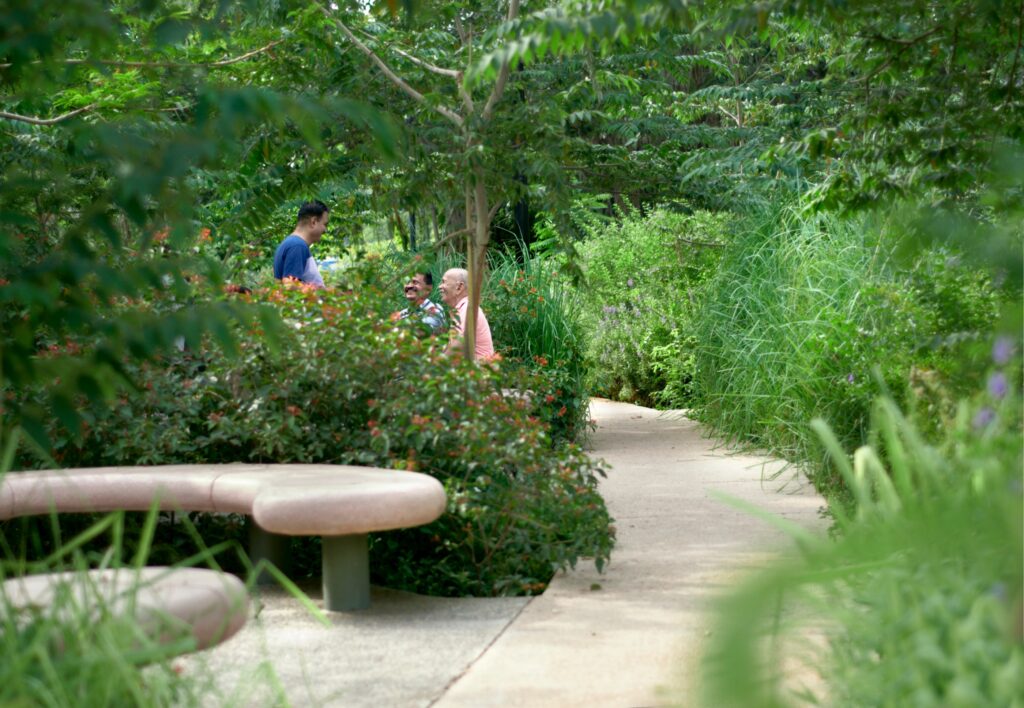
We also visit some extraordinary parks in Ahmedabad designed by the brilliant Aniket Bhagwat of Landscape India.
- Overnight: House of MG
- Room: Modern Heritage Grand
- Meal: Breakfast
Tuesday, 27th October 2026Ahmedabad-Vadodara
Today after breakfast we drive to Vadodara, approximately two hours away.
Vadodara or Baroda is situated on the banks of River Vishwamitri. The name of this river was derived from the name of a great Saint Vishwamitra. The early trade settlers made an entry in 812 A.D. The imperial Baroda province was mainly ruled by Hindu Kings till the year 1297. Chalukya Dynasty took over the Gupta Empire by fierce battle after intense rivalry. After then, it was taken over by Solanki Rajputs. Then, Muslim rule was spread across India and reins of Power were then snatched by Sultans of Delhi. The city was ruled for a long time by these Sultans, until they were easily overthrown by the Mughal emperors. During this time, Maratha Gaekwads made an entry into this region and began their reputable reign. They made Vadodara as their capital.
We visit private gardens in Vadodara and other incredible places. Specific information on this day will be provided closer to the commencement of the tour.
Lunch will be The Old School eatery on direct payment (Depending on where we are).
Dinner will be at Alembic city on direct payment.
- Overnight: Taj Vivanta Vadodara
- Meal: Breakfast
Wednesday, 28th October 2026Vadodara-Mumbai
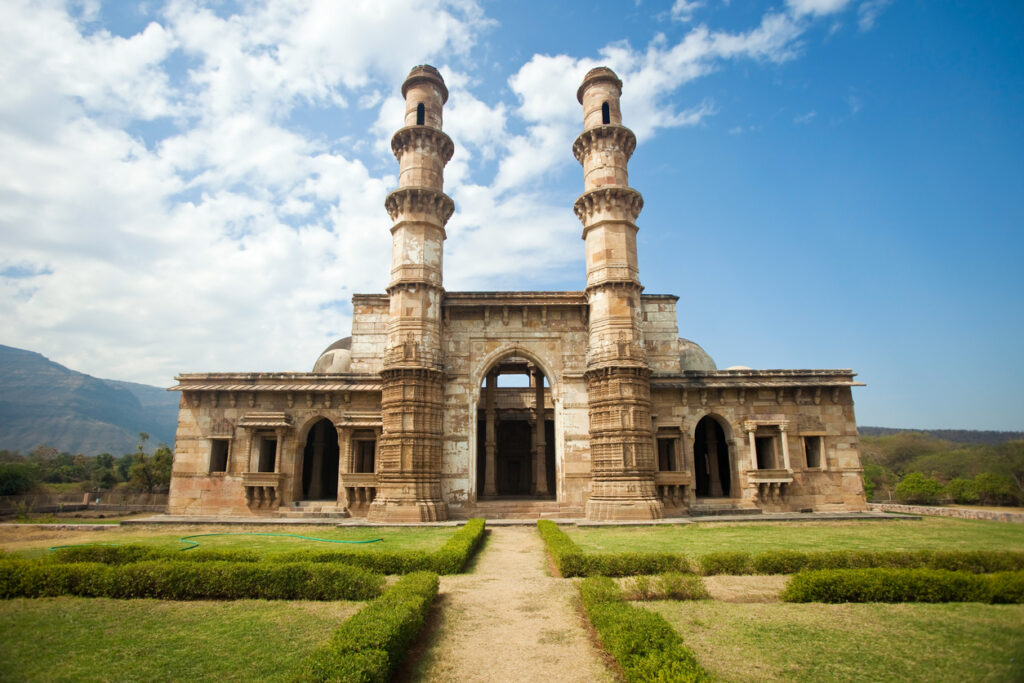
This morning we visit Champaner (1.5 hours one way) and see the famous UNESCO site Jumma Mosque and have a walking visit Nagina Masjid.
Pavagadh became the capital of the Chauhan Rajputs around 1300, but in 1484 was taken by the Gujarat Sultan Mahmud Begada, after a 20-month siege; the Rajputs committed jauhar (ritual mass suicide) in the face of defeat. Following his capture of Pavagadh, Sultan Mahmud Begada turned Champaner, at the base of the hill, into a splendid new capital. But its glory was brief: when it was captured by Mughal emperor Humayun in 1535, the Gujarati capital reverted to Ahmedabad, and Champaner fell into ruin.
A UNESCO Heritage site, Champaner and Pavagadh are often clubbed together as one of the most engaging historical attractions of Gujarat. Pavagadh stands on top of the hill that looks over the sprawl of monuments at the base in Champaner. The duo makes a rich heritage site dotted with forts, mosques, monuments, tombs, arches, temples, stepwells and fortresses from 8th to 14th century. Today, throngs of pilgrims ascend Pavagadh to worship at the important Kalikamata Temple, dedicated to the goddess Kali, who sits at the summit. Champaner is the only unchanged Islamic-Mughal city over the centuries, offering an authentic flavours of architecture of the era. Juxtaposed to this is the Kalika Mata Temple on the Pavagadh Hill, where thousands congregate during Navratris.
At the heart of Champaner, is the Citadel, whose most impressive features are its 16th-century monumental mosques (no longer used for worship), with their beautiful blending of Islamic and Hindu architecture. The huge Jami Masjid, just outside the Citadel’s east gate, boasts of a wonderful carved entrance porch that leads into a lovely courtyard surrounded by a pillared corridor. The prayer hall has two tall central minarets, further superb stone carving, multiple domes, finely latticed windows and seven mihrabs (prayer niches) along the back wall.
Other beautiful mosques include the Saher ki Masjid, behind the ticket office inside the Citadel, which was probably the private royal mosque, and the Kevda Masjid, 300m north of the Citadel and about 600m west of the Jami Masjid. Here you can climb narrow stairs to the roof, and higher up the minarets, to spot other mosques even further out into the countryside – Nagina Masjid, 500m north, with no minarets but exquisite geometric carving.
Later we head to the airport at Vadodara for your flight to Mumbai.
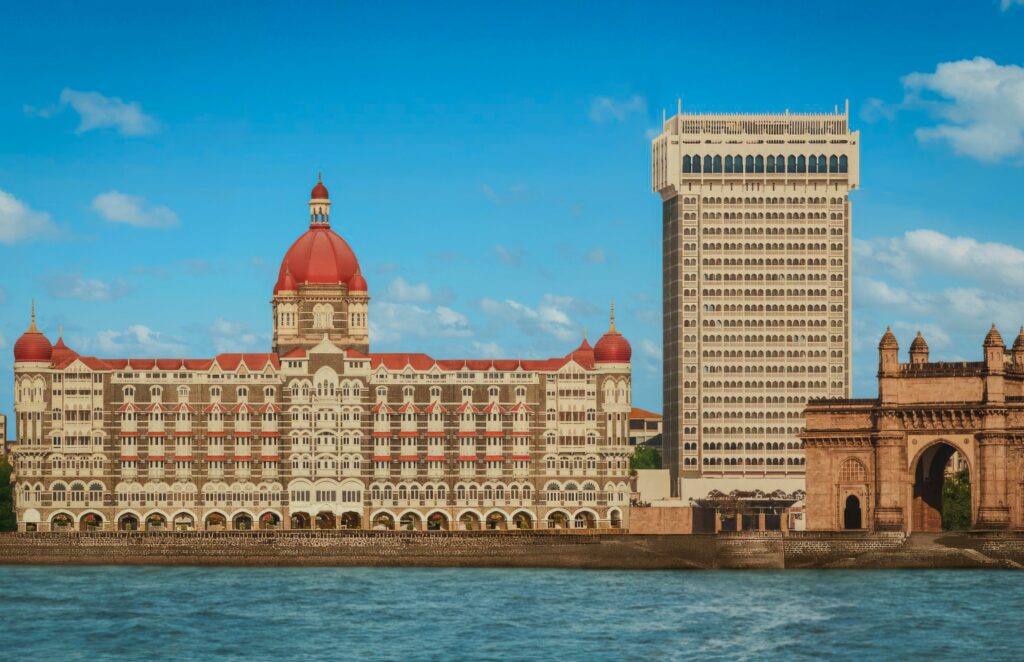
- Overnight: Taj Mahal Palace Mumbai
- Meal: Breakfast
Thursday, 29th October 2026Mumbai
Today we visit contemporary private gardens in Alibag. More details of these gardens will be provided prior to the commencement of the tour.
- Overnight: Taj Mahal Palace Mumbai
- Meal: Breakfast
Friday, 30th October 2026Mumbai
After breakfast, you will start with a visit to the Gateway to India and from here explore the historic Kala Ghoda, the heart of the Fort Mumbai area.
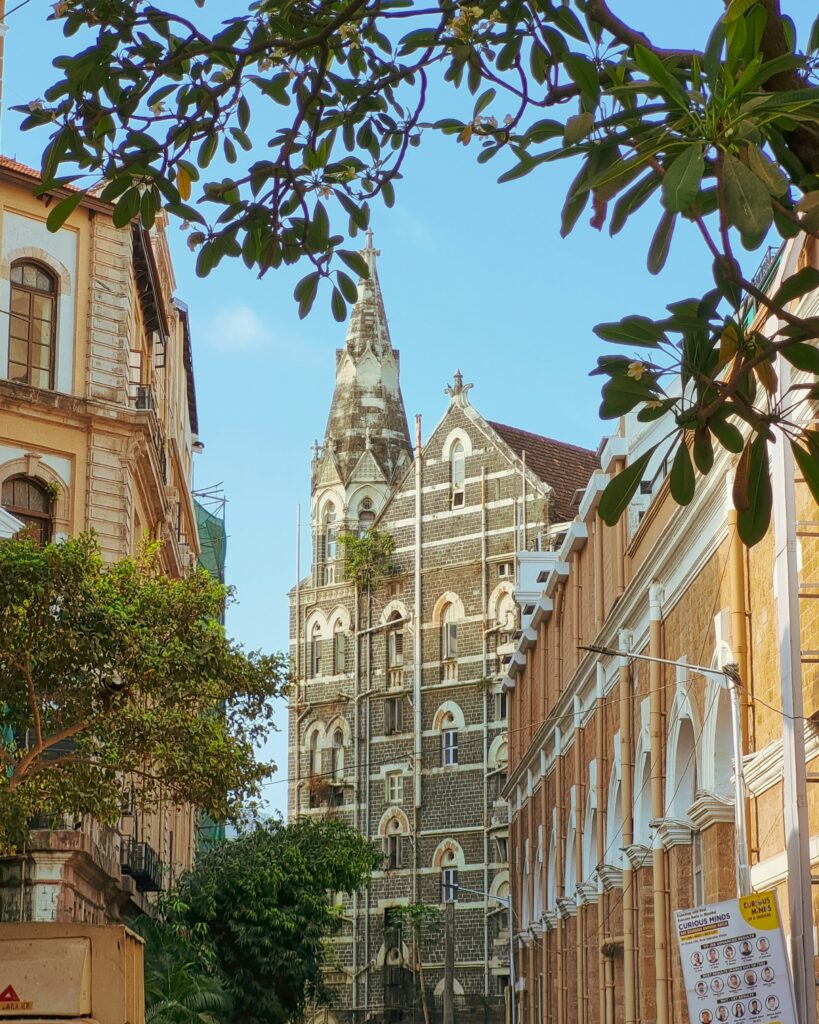
A feast of architecture ranging from Gothic to art deco, the area is a lively area to explore on foot, Street vendors, cafes, galleries, local cricket matches, and food stalls all find place to exist in this area. The tour will end at the soaring Victoria Station, a landmark of the area. A UNESCO world heritage site, it is a busy station for both local commuter and national rail services. Once again it is a great place for people to watch. Take a walk to see the gothic architecture with your guide and visit the Jewish Synagogue, Knesseth Eliyahoo Synagogue, which was recently restored by the World Monument Fund.
We go to Churchgate Station to see the “Dabbawallahs” a profession unique to the city. Feted by Prince Charles and Richard Branson, and studied by Harvard Business School, these five thousand men deliver 200,000 lunch boxes each day to offices. Every morning the Dabbawallahs call on homes in the suburbs to pick up “Dabbas” or lunch boxes of home cooked food prepared for office goers who left at the crack of dawn to take commuter trains into the city. Transporting these on local trains, they gather at Churchgate station to segregate them area wise before they are delivered. Each lunch box looks exactly alike, but without any modern technological equipment, the lunches are delivered on time to the correct recipient. It is a system based on memorized codes and leg muscles as they load multiple boxes on to coffin size trays and rush them through the chaos of Mumbai to the correct offices. This remarkable profession has also been given a Six Sigma rating by Forbes Global.
Lunch at a local restaurant. Continue our drive to the Hanging Gardens which provide a view of the city and the ocean. Close to the gardens are the Parsi Towers of Silence. We continue to the unusual neighborhood of Khotachi Wadi which is a part of the city that connects the old with the new. We explore the area, walking along the narrow-cobbled lanes looking at the art deco style architecture and have an opportunity to tour one of the homes, most of which are over 100 years old.
Later you will visit the Dhobi Ghat. It is a large open-air laundry and at the Gandhi Museum at Mani Bhawan, a small and exceptional Museum housed in a private home.
- Overnight: Taj Mahal Palace Mumbai
- Meal: Breakfast
Saturday, 31st October 2026Mumbai, Depart
We finish the tour and are taken to Mumbai International airport for your onward flight to home – Individual transfers.
- Meal: Breakfast
For more information, contact
Fleur Flanery, Director, Outlandish
info@landscapeconference.com
+61 (0) 408 627 774